
Embarking on a journey can be thrilling, but without proper planning, it can also be fraught with challenges. Discover how a few simple changes in your route planning habits can transform your travels into seamless adventures.
Prioritize Your Preferences
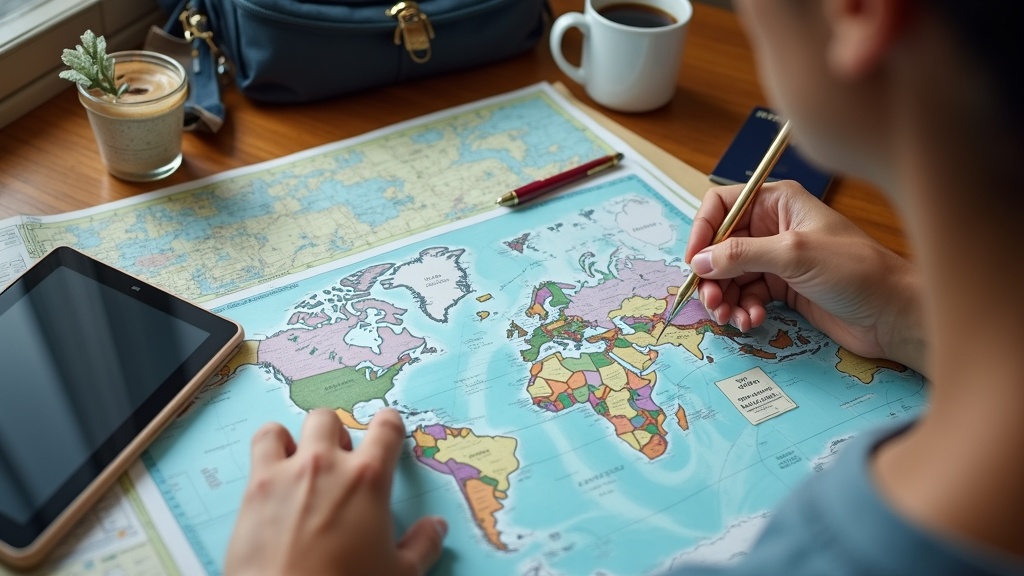
Understanding what matters most to you on a trip can streamline the route planning process. If picturesque landscapes soothe your soul, prioritize scenic routes. Henry, an avid traveler, always starts his planning by listing his preferences. He says this simple step allows him to tailor each journey specifically to what he loves most, whether it's historical stops or the fastest pathway to his destination. By doing the same, you ensure that your route enhances your experience.
Leverage Technology Wisely
The digital age offers an array of tools designed to simplify travel planning. Clara, who explores new destinations monthly, advises utilizing apps like Google Maps and Waze for real-time updates and detours. These platforms provide alternative routes, estimate travel times, and even predict traffic patterns. Embrace technology as a travel companion, and enjoy a smoother journey with fewer surprises along the way.
Consider Time and Distance
While it might be tempting to opt for the shortest route, factoring in time can make for a more pleasant travel experience. For Marcus, a frequent business traveler, calculating the time of day to avoid rush hours has proven invaluable. He reports fewer delays and more enjoyable drives by being mindful of peak travel times. Always weigh both time and distance to find that sweet spot that keeps you on track without unnecessary stress.
Incorporate Rest Stops
Ensuring rest stops are part of your route can significantly improve comfort and safety, particularly on longer journeys. Amelia, who regularly goes on cross-country road trips, insists on pre-planning her stops. She often searches for sites of interest along the way, turning routine breaks into mini-adventures. Remember, strategic rest stops can refresh your mind and body, making the rest of the trip more enjoyable.
Research Weather Conditions
Weather can be unpredictable, but being informed can help prevent disruptions. Before heading out, James recommends checking the forecast for each leg of your journey. Understanding potential weather issues allows for adjustments in your plans, ensuring you’re prepared whether it's rain, snow, or shine. A route planned with an eye on the weather tends to be safer and more enjoyable.
Collect Local Insights
Locals often have insider knowledge that can enhance or even redirect your planned routes. For Stephanie, connecting with residents through forums or social media provides invaluable tips about less crowded roads or hidden gems. This can lead to discovering paths that aren't on standard maps, offering a richer travel experience. Harvesting local knowledge can turn an ordinary route into an extraordinary adventure.
Prepare for the Unexpected
Even the best-laid plans can encounter hiccups. Abby, a seasoned travel planner, always has a set of contingency plans. Carry an updated road atlas, have offline maps downloaded, and ensure emergency supplies are at the ready. Being prepared for emergencies not only brings peace of mind but can turn a potentially stressful situation into a manageable detour in your itinerary.
Reflect and Adjust
Once your journey is over, take time to reflect on your planning process. Daniel, who often travels for writing inspiration, notes that analyzing what worked and what didn’t helps improve future trips. Keeping a travel journal or making notes ensures that each new adventure benefits from past experiences, paving the way for smoother and more rewarding travels.